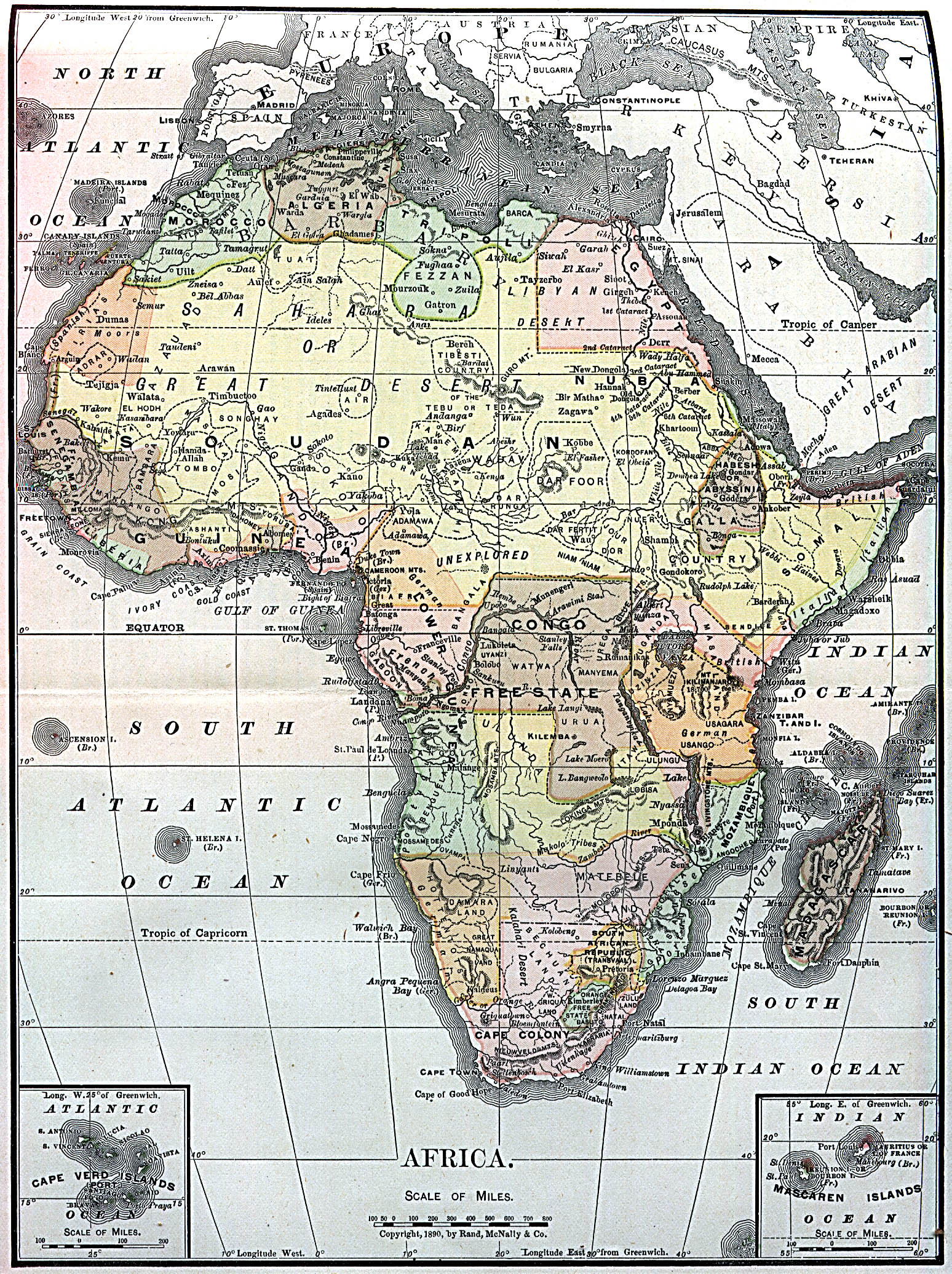
Human rights groups reported at least 157 opposition supporters dead and around 1200 injured after Guinea's troops opened fire on a mass protest in Guinea last  week. On September 28th Opposition parties organized the demonstration amid speculation that Moussa Dadis Camara, the country's military leader, would stand in the forthcoming elections. Camara, who has not yet formally announced his intention to contest the January 31 poll, said that the killings were beyond his control.
The protest s against Camara's candidature were brutally crushed by the military forces and have invited international condemnation and human rights uproar. The loss of discipline by the military that even the premier claims out of his control, perpetuated a violent assault on human rights in Guinea. The violence was censured by France, Guinea’s former colonizers, at the United Nations as well as by the African Union, where sanctions were already in effect by the latter organization.
Camara, who came to power in a coup on 23 December last year, initially p romised to organize elections but has since signaled he has not ruled out running. The military leader had pledged not to stand for the presidency when he seized power after the death of Lasana Conte, the president, essentially considered a military dictator in civilian guise. Camara has reportedly changed his tune proclaiming it his ‘right’ to contest.
Guinea has had a history of authoritarian rule since gaining its independence from France in 1958. Declining economic conditions and popular dissatisfaction with corruption and bad governance prompted two massive strikes in 2006, and a third nationwide strike in early 2007. This latest crackdown has been termed by the Human Rights Watch as "shocking even by the abusive standards of Guinea's coup government".
The destabilizin g turn of events in the region follows a history of military dictat
 orships where even the latest coup, according to analysts, enjoyed popular support initially. However the rising dissatisfaction amongst the nationals has arisen in what is deemed to be a breach of a tacit agreement between the military and civil forces, which had hence far kept Camara in power.

The language of military dictatorships seems to share commonalities world wide as to their conflict of legitimacy. Where international pressures seem to be heeded in similar scenarios in Latin America (the recent Honduran case) or the Asian region (Pakistan being a case in point), the extent of efficacy of these measures in Africa seems puny. The crisis in Guinea continues, and despite efforts at resolution many fear the vicious cycle of dictatorship will continue.
 Discussion Questions:
· Would you agree that the military dictatorships in Africa continue to function in relative isolation from international pressures? Why or why not?
· To what extent do strategic interests, for example the possibility of oil development in the region figure in determining the course of Guinea’s political future?
· Under notions of a continent that is defying its stereotypes- does the continued existence of such stunted political systems deem Africa's progress as marginal?
 week. On September 28th Opposition parties organized the demonstration amid speculation that Moussa Dadis Camara, the country's military leader, would stand in the forthcoming elections. Camara, who has not yet formally announced his intention to contest the January 31 poll, said that the killings were beyond his control.
The protest
 s against Camara's candidature were brutally crushed by the military forces and have invited international condemnation and human rights uproar. The loss of discipline by the military that even the premier claims out of his control, perpetuated a violent assault on human rights in Guinea. The violence was censured by France, Guinea’s former colonizers, at the United Nations as well as by the African Union, where sanctions were already in effect by the latter organization.
Camara, who came to power in a coup on 23 December last year, initially p
 romised to organize elections but has since signaled he has not ruled out running. The military leader had pledged not to stand for the presidency when he seized power after the death of Lasana Conte, the president, essentially considered a military dictator in civilian guise. Camara has reportedly changed his tune proclaiming it his ‘right’ to contest.
Guinea has had a history of authoritarian rule since gaining its independence from France in 1958. Declining economic conditions and popular dissatisfaction with corruption and bad governance prompted two massive strikes in 2006, and a third nationwide strike in early 2007. This latest crackdown has been termed by the Human Rights Watch as "shocking even by the abusive standards of Guinea's coup government".
The destabilizin
 g turn of events in the region follows a history of military dictat
 orships where even the latest coup, according to analysts, enjoyed popular support initially. However the rising dissatisfaction amongst the nationals has arisen in what is deemed to be a breach of a tacit agreement between the military and civil forces, which had hence far kept Camara in power.

The language of military dictatorships seems to share commonalities world wide as to their conflict of legitimacy. Where international pressures seem to be heeded in similar scenarios in Latin America (the recent Honduran case) or the Asian region (Pakistan being a case in point), the extent of efficacy of these measures in Africa seems puny. The crisis in Guinea continues, and despite efforts at resolution many fear the vicious cycle of dictatorship will continue.
 Discussion Questions:
· Would you agree that the military dictatorships in Africa continue to function in relative isolation from international pressures? Why or why not?
· To what extent do strategic interests, for example the possibility of oil development in the region figure in determining the course of Guinea’s political future?
· Under notions of a continent that is defying its stereotypes- does the continued existence of such stunted political systems deem Africa's progress as marginal?
Related Links/Bibliography
http://news.bbc.co.uk/2/hi/8280603.stm
http://english.aljazeera.net/news/africa/2009/09/200992981337765437.html
https://www.cia.gov/library/publications/the-world-factbook/geos/gv.html
________________________________________________________
Business and Politics in the Muslim World (BPM)refers to the project entitled, "Globalized Business and Politics: A View from the Muslim World.' The blog development project has been undertaken and jointly developed by the Gilani Research Foundation and BPM as a free resource and social discussion tool.