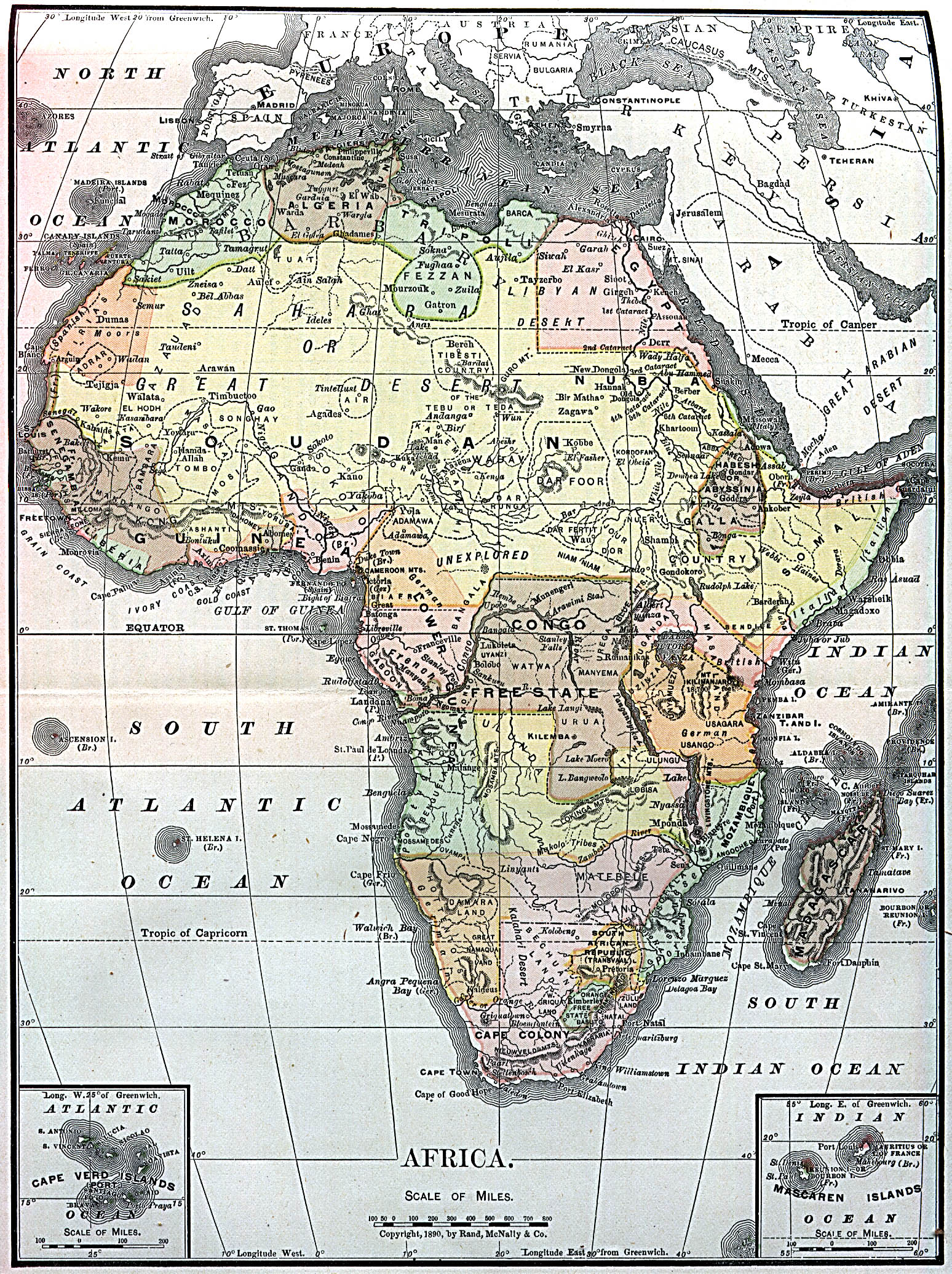
General elections were held in Botswana on 16th October 2009.These were the 10th general elections held since Botswana's independence in 1966, a nation accredited with a history of smooth, periodic elections. The ruling Botswana Democratic Party (BDP) led by President Seretse Khama Ian Khama was re-elected for the next five years with 45 out of a total of 57 parliamentary seats and representing a 53.26 percent of the popular vote, according the Independent Electoral Commission. The BDP has not lost an election since independence in 1966. 
The nation is a parliamentary republic and follows a system of Single member plurality, first-past-the-post system multiparty elections. President is elected by each newly elected National Assembly. The phenomenon of limited presidential terms is a new one to Botswana, having been promulgated in the mid 1990s, through which Opposition MP Dumelang Saleshando opined Festus Mogae, the president before Ian Khama, did set a good precedent for the nation.
A group of observers from Southern African Development Community (SADC) Election Observer Mission (SEOM) said the elections were conducted in compliance with the SADC Principles and Guidelines. They further noted that a massive voter registration exercise was conducted in the run up to the election. A record 725 000 people registered to vote and the turnout was largely attributed to voter education by the Independent Electoral Commission IEC and other civic groups including the media. First time voters constituted nearly 30% of the registration indicating an unprecedented interest in elections by the youth of Botswana.
Mr. Khama, The son of Botswana's first president joined politics after a military career and was directly nominated by his predecessor. He is credited with being decisive, but also criticized for being dogmatic. Despite Splits within the president's party, a victory was still forecast since the opposition was believed to be equally fractured.
While there were complaints that the state media, particularly the Botswana Television, was biased towards the ruling party, observers reported that there were attempts to ensure that the station covered all events of the contesting parties without bias.
Botswana, one of Africa's most stable countries, is the continent's longest continuous multi-party democracy. It is relatively free of corruption and has a relatively good human rights record. An economy heavily dependent on diamond trade the recent elections were held amid a deep recession. Botswana's over-dependence on diamonds for its export earnings and tax revenues, as well as jobs and human rights were all major issues that the political parties rallied on.
Critics maintain that Botswana’s immaculate achievement at a macro-economic level has for a long time been accompanied by high levels of unemployment, unacceptable levels of poverty and gross inequalities. A key problem area is over-reliance on the mineral s ector, in particular diamonds.
The opposition MP Saleshando believes that despite Botswana’s thriving liberal democracy, the political institutions necessary for providing effective checks and balances are weak in Botswana. Moreover the presidency controls all levers of power while the legislative agenda is set by the executive and parliamentary staff is recruited and deployed as desired by the presidency. Hence despite being widely lauded for its democratic tradition critics still maintain that Botswana is in a highly precarious economic situation with under-developed political institutions that need to be modernized. The nation’s tangible pride in its functional system of governance in a continent rift with stereotypes is however quite apparent.

The nation is a parliamentary republic and follows a system of Single member plurality, first-past-the-post system multiparty elections. President is elected by each newly elected National Assembly. The phenomenon of limited presidential terms is a new one to Botswana, having been promulgated in the mid 1990s, through which Opposition MP Dumelang Saleshando opined Festus Mogae, the president before Ian Khama, did set a good precedent for the nation.
A group of observers from Southern African Development Community (SADC) Election Observer Mission (SEOM) said the elections were conducted in compliance with the SADC Principles and Guidelines. They further noted that a massive voter registration exercise was conducted in the run up to the election. A record 725 000 people registered to vote and the turnout was largely attributed to voter education by the Independent Electoral Commission IEC and other civic groups including the media. First time voters constituted nearly 30% of the registration indicating an unprecedented interest in elections by the youth of Botswana.
Mr. Khama, The son of Botswana's first president joined politics after a military career and was directly nominated by his
 predecessor. He is credited with being decisive, but also criticized for being dogmatic. Despite Splits within the president's party, a victory was still forecast since the opposition was believed to be equally fractured.
While there were complaints that the state media, particularly the Botswana Television, was biased towards the ruling party, observers reported that there were attempts to ensure that the station covered all events of the contesting parties without bias.
Botswana, one of Africa's most stable countries, is the continent's longest continuous multi-party democracy. It is relatively free of corruption and has a relatively good human rights record. An economy heavily dependent on diamond trade the recent elections were held amid a deep recession. Botswana's over-dependence on diamonds for its export earnings and tax revenues, as well as jobs and human rights were all major issues that the political parties rallied on.
Critics maintain that Botswana’s immaculate achievement at a macro-economic level has for a long time been accompanied by high levels of unemployment, unacceptable levels of poverty and gross inequalities. A key problem area is over-reliance on the mineral s
 ector, in particular diamonds.
The opposition MP Saleshando believes that despite Botswana’s thriving liberal democracy, the political institutions necessary for providing effective checks and balances are weak in Botswana. Moreover the presidency controls all levers of power while the legislative agenda is set by the executive and parliamentary staff is recruited and deployed as desired by the presidency. Hence despite being widely lauded for its democratic tradition critics still maintain that Botswana is in a highly precarious economic situation with under-developed political institutions that need to be modernized. The nation’s tangible pride in its functional system of governance in a continent rift with stereotypes is however quite apparent.
 Discussion Questions:
· Is the Botswana model despite its skewed economic stability through excessive dependence on the diamond industry, still a feasible fit for Africa at large?
· Despite international praise for its success at the polls does the opposition’s claim regarding underdeveloped institutions portray a pseudo democracy in Botswana?
Sources/Related Links
http://allafrica.com/stories/200910231087.html
http://www.thezimbabwean.co.uk/2009102225867/african-perspectives/botswana-general-election-report-2009.html
http://www.mmegi.bw/index.php?sid=2&aid=175&dir=2009/October/Friday9
http://news.bbc.co.uk/2/hi/8309573.stm
http://news.bbc.co.uk/2/hi/africa/country_profiles/1068674.stm
http://news.bbc.co.uk/2/hi/africa/7297013.stm
http://news.bbc.co.uk/2/hi/africa/7297374.stm https://www.cia.gov/library/publications/the-world-factbook/geos/bc.html
________________________________________________________
Business and Politics in the Muslim World (BPM)refers to the project entitled, "Globalized Business and Politics: A View from the Muslim World.' The blog development project has been undertaken and jointly developed by the Gilani Research Foundation and BPM as a free resource and social discussion tool.